


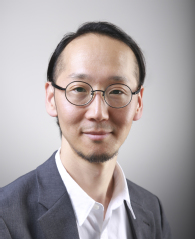
Principal investigatorName: Yuu KimataAssistant Professor , PhD, Assistant Professor
Position: Affiliation: School of Life Science and Technology
Honor: Education Background:
Working Experience:
Group Introduction Research Area:
Developmental Cell Biology, Cell Cycle Regulation, Cancer Biology
Research Interests:
In multicellular organisms, the cell cycle is not merely a mechanism for cell proliferation, but a fundamental regulatory framework that shapes cell fate, development, and long-term tissue homeostasis. While the core molecular machinery controlling the cell cycle is highly conserved across eukaryotes, how canonical cell cycle regulators are integrated with differentiation programmes, signalling pathways, and metabolic states during development remains a central unresolved question in cell biology. The Kimata laboratory aims to elucidate the molecular principles that couple cell cycle control with cell fate determination. Our research focuses on the non-canonical functions of conserved cell cycle regulators (CCRs) and on the mechanisms governing cell cycle exit, both reversible and irreversible. We combine genetics, quantitative imaging, biochemical approaches, and multi-omics analyses to investigate how classical cell cycle machinery is repurposed to coordinate proliferation, differentiation, and tissue homeostasis. Using Drosophila as an in vivo developmental model, we study how CCRs such as cyclin-dependent kinases (CDKs) and the APC/C ubiquitin ligase are redeployed to regulate neural and retinal differentiation. In parallel, we use human cell culture systems to investigate transient cell cycle exit into quiescence (G0), with a particular emphasis on how cell fate decisions are made at mitotic exit rather than during G1, as traditionally assumed. Our overarching goal is to define how cells commit to distinct post-mitotic or quiescent states, and to identify the transcriptional, signalling, metabolic, and cell-cycle-dependent mechanisms that enforce these decisions. By integrating insights from Drosophila and human systems, we aim to uncover conserved principles of cell cycle exit and context-dependent adaptations relevant to development, regeneration, ageing, and disease. We are always seeking for passionate, self-driven students who wish to get onboard in our scientific exploration. For more information about our research and lab, please visit our website: http://www.kimatalab.com/. Research AchievementOur research has revealed that canonical cell cycle regulators play unexpectedly broad roles in coordinating proliferation with differentiation during development. We initially demonstrated that the anaphase-promoting complex/cyclosome (APC/C), a core cell cycle ubiquitin ligase, directly regulates developmental signalling pathways. In the developing Drosophila retina, APC/C promotes photoreceptor differentiation by targeting the kinase Nek2 for degradation, thereby attenuating Wnt signalling and coupling cell cycle exit to fate specification (Martins et al., 2017, Developmental Cell). We further showed that APC/C controls centrosome activity and asymmetry during neural stem cell divisions by regulating centrosomal protein turnover, thereby influencing the balance between self-renewal and differentiation (Meghini et al., 2016, Nature Communications; Gambarotto et al., 2019, Developmental Cell). These studies established APC/C as a key integrator of cell cycle progression and developmental programmes in multicellular organisms. Building on this foundation, we expanded our focus beyond APC/C to other conserved CCRs. A systematic genetic screen in the Drosophila eye revealed widespread non-canonical roles of CCRs in retinal differentiation. Focusing on CDK1, we discovered that it cooperates with EGFR–MAPK signalling to specify photoreceptor fate by phosphorylating ETS transcription factors at sites distinct from those targeted by MAPK. This work redefines CDK1 as a signalling and transcriptional integrator, linking mitotic control with developmental fate decisions. We have also addressed the fundamental problem of cell cycle exit using complementary in vivo and in vitro systems. In the Drosophila brain, we identified the transcription factor Krüppel (Kr) as a lineage-specific determinant of permanent cell cycle exit in mushroom body neuroblasts. Kr restricts the proliferative window of these progenitors by regulating RNA-binding proteins and antagonising hormone-responsive transcriptional programmes, thereby terminating adult neurogenesis. This work demonstrates how intrinsic developmental regulators and systemic cues converge to enforce irreversible cell cycle withdrawal. In human cell culture systems, we established synchronisation platforms to investigate reversible cell cycle exit into quiescence (G0). Our findings show that the decision to enter G0 is made during mitosis rather than G1 and is accompanied by distinct transcriptional, metabolic, and DNA replication licensing states. In parallel, we uncovered a previously unrecognised mitotic function of CDK4/6 in reinforcing spindle assembly checkpoint signalling via phosphorylation of kinetochore components, extending the role of CDK4/6 beyond its canonical function at the G1/S transition. This discovery provides new insight into the biological effects of clinically used CDK4/6 inhibitors. Collectively, our work demonstrates that classical cell cycle regulators are actively redeployed in multicellular contexts to integrate cell cycle control with differentiation and cell fate decisions. These findings provide a conceptual framework for understanding how proliferative arrest is coordinated with developmental and physiological state transitions, with implications for development, tissue homeostasis, ageing, and disease. We have been working together with international collaborators with different expertise: David Glover (Caltech, USA), Hiroyuki Yamano (University College London, UK), Renata Basto (Institute Curie, France), Andrea Brand and Marc de la Roche (University of Cambridge, UK), and Takashi Ochi (University of Leeds), to explore key mechanisms in the coupling between cell proliferation and differentiation and to apply our discoveries in medicine and technological innovations. Representative Publications (*First Author, # Corresponding Author)
MonographPatentFundingAwardsResearch AchievementGroup Member and Photo |