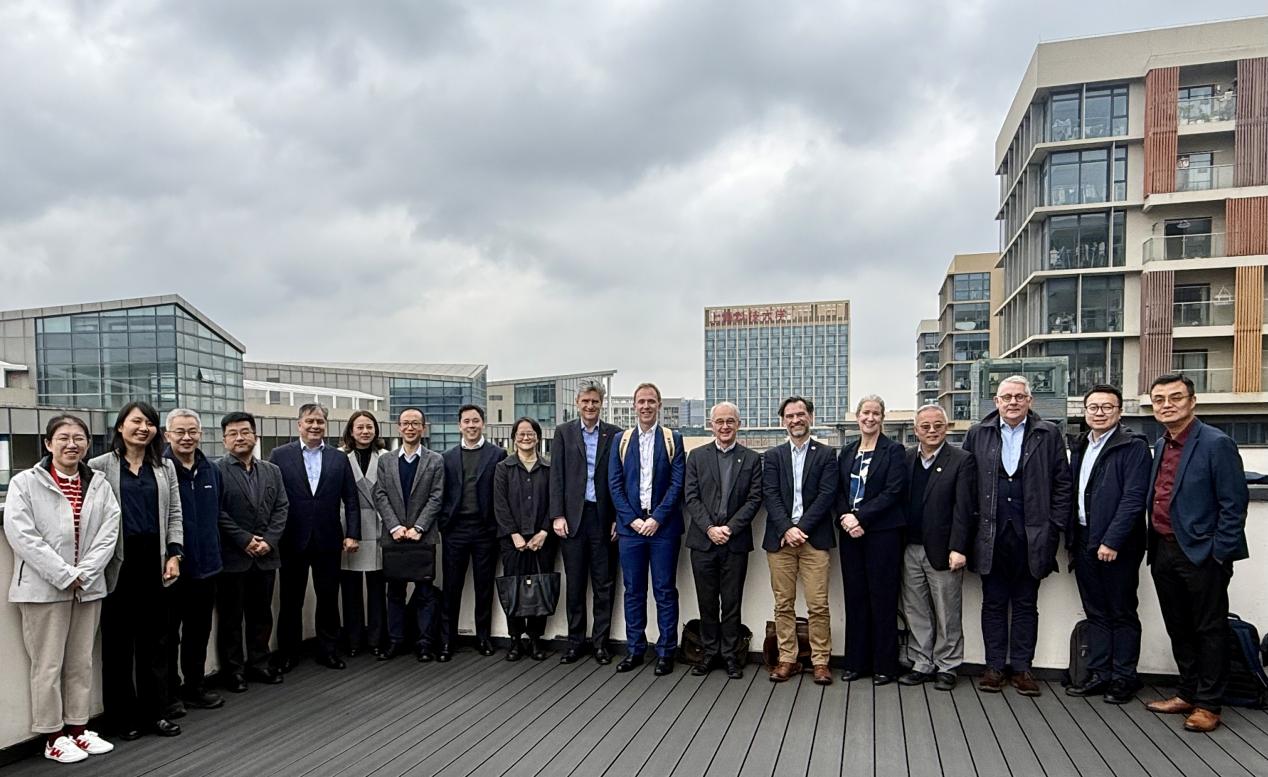


On March 16, 2026, AstraZeneca, alongside a delegation of distinguished scholars from King's College London, the University of Glasgow, and the University of Oxford, visited the School of Life Science and Technology (SLST) at ShanghaiTech University. The event aimed to deepen dialogue between China and the UK in cutting-edge biomedicine, explore industry-academia-research collaboration models, and jointly promote the development of the life sciences industry.
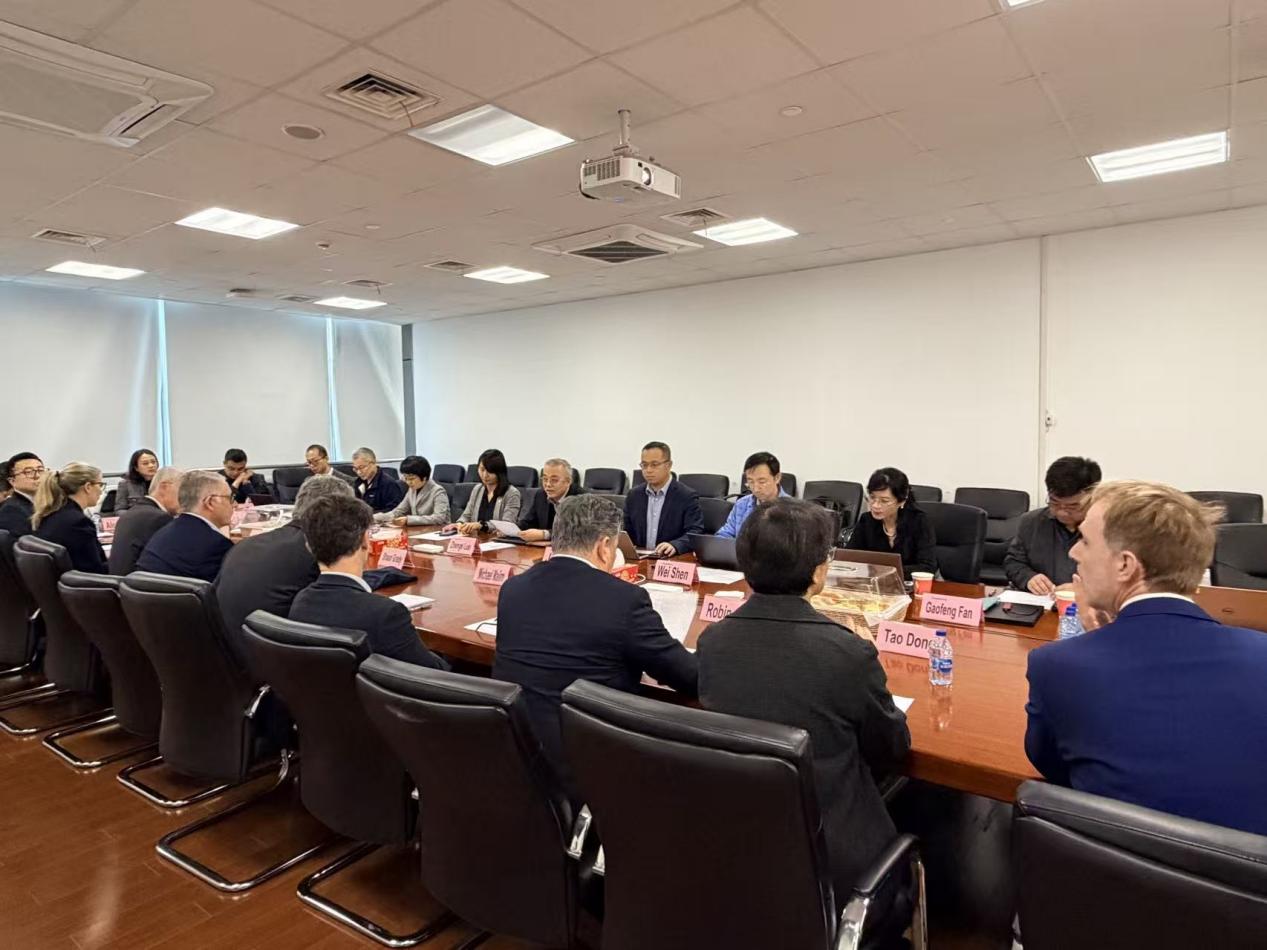
The event commenced with a welcome speech by Professor Zhenge Luo, Vice President of ShanghaiTech University and a chair professor at SLST. Professor Ji Hu, Vice Dean of SLST and a tenured professor, briefly introduced the school's strategic layout in discipline construction, talent cultivation, and international cooperation.
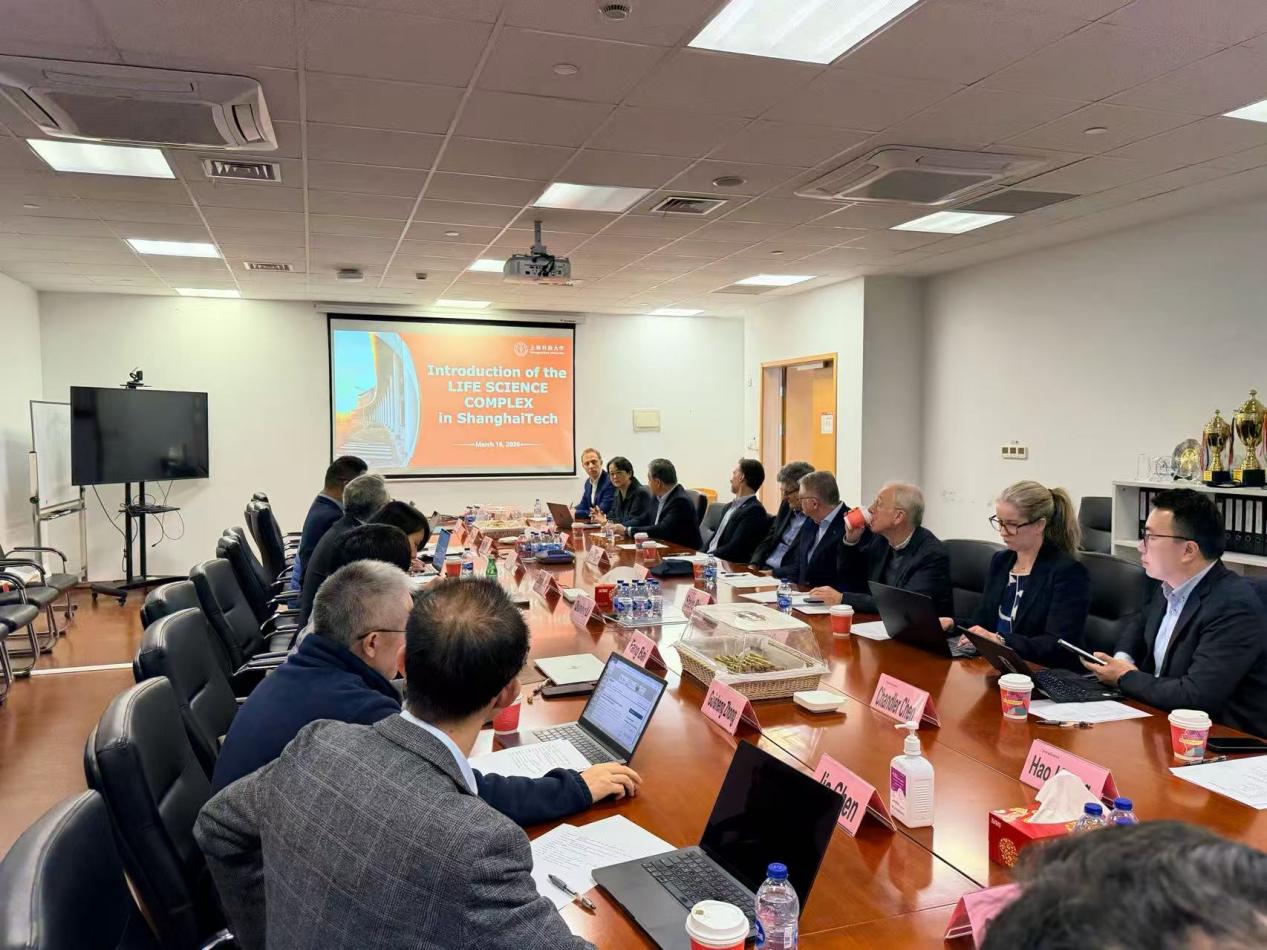
Subsequently, representatives from all parties shared insights into their respective research frontiers, innovation platforms, and collaboration visions.
Shaun Grady, Chair of AstraZeneca UK, shared the company's core values and its strategic layout across multiple transformative technology platforms, including gene and cell therapy and immuno-oncology, etc. In collaboration with the Shanghai Science and Technology Commission, the University of Glasgow, King’s College London, HSBC, AstraZeneca is advancing a collaboration programme designed to unite the innovation ecosystems of Shanghai and the UK. Centered on joint scientific and clinical research, the programme aims to accelerate development of innovative solutions to global healthcare challenges. It will also support business development capacity building, startup and scale-up acceleration and financing, and market expansion, with the potential to accelerate innovations developed in Shanghai to benefit patients worldwide.
Professor Michael Malim, FRS FMedSci, Senior Vice Dean for Academic Strategy & Partnerships from King's College London, introduced the faculty's comprehensive strength, strategic positioning, and vision for international cooperation. Professor Robin Ali highlighted the university's powerful capability in translating basic research into industrial applications in the field of advanced therapies.
Professor Carl Goodyear, Vice President of Stratey and Cooperation from the University of Glasgow shared the university's unique advantages in life sciences, focusing on how its relevant platforms accelerate the translation of scientific discoveries into patient benefits. Professor Tao Dong from the University of Oxford systematically introduced the institutional setup related to life sciences at Oxford and presented her in-depth research in translational immunology, among other content.
Tenured professors from ShanghaiTech's SLST — Zhenge Luo, Ji Hu, Wei Shen, Fang Bai , Guisheng Zhong, Wei Qi, Gaofeng Fan, and Jia Chen — introduced the research progress of their respective laboratories in various frontier directions such as gene editing, synthetic biology, cell therapy, immunology, and AI-assisted drug design. This showcased the exploration of ShanghaiTech's young and dynamic research team in addressing key challenges in life sciences. Mr. MingYan, CEO of CASTALYSIS BIOSCIENCE, introduced the company's development status and technological focus.
The participating parties engaged discussions on topics including how to concretely implement collaboration ideas, promote talent exchange, and jointly address challenges in new drug R&D. This event successfully established an efficient and pragmatic international exchange platform. It not only enhanced mutual understanding but also laid a solid foundation for future substantive and multi-level cooperation between ShanghaiTech University, Shanghai's biopharmaceutical industry, AstraZeneca, and top UK academic institutions.